
Security and Compliance
Security and Compliance
Security and Compliance in your Industry
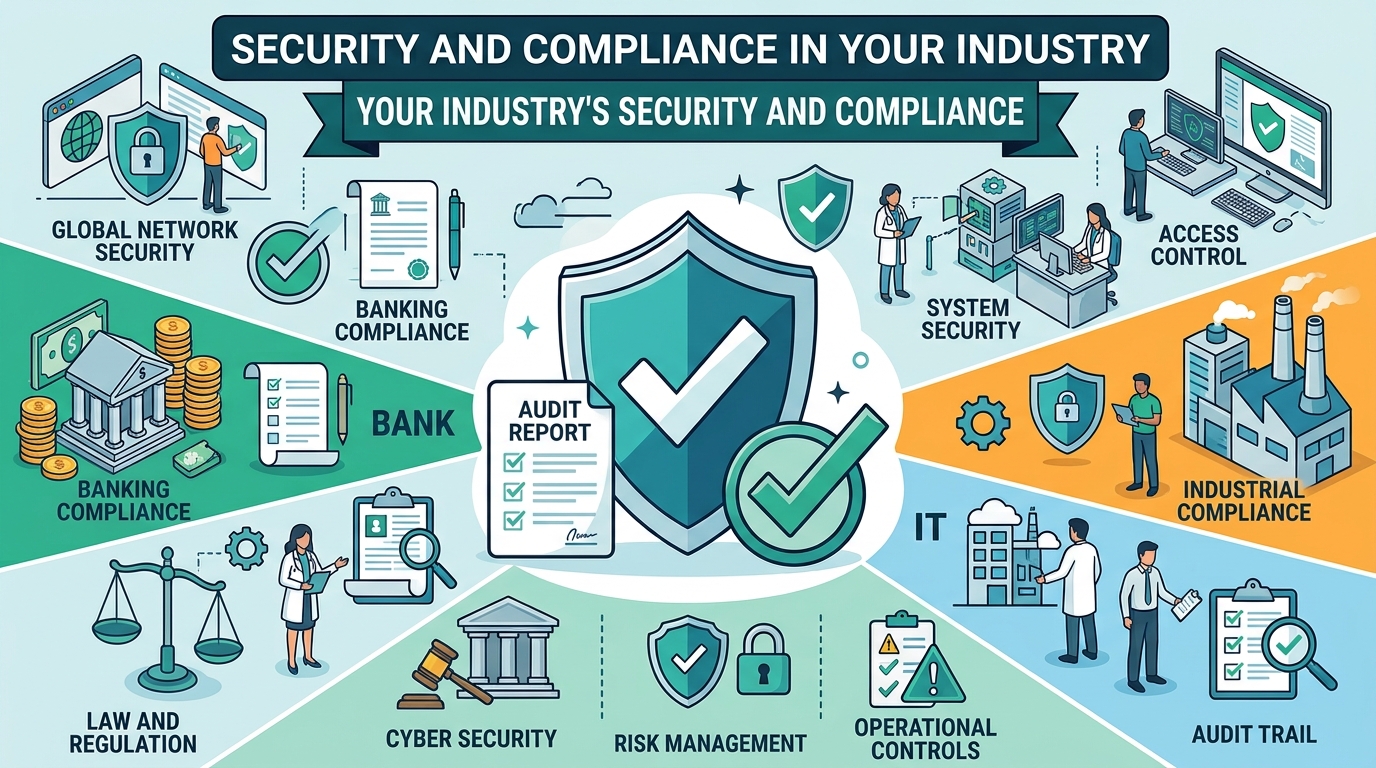
Simple tasks to put your business on track
Security Controls
Security Controls
Security Controls
Key Data Security and Compliance Frameworks and Regulations Explained
HIPAA and GDPR serve as major frameworks in the protection of sensitive information in their respective fields. To that effect, these sets of compliance policies require high standards for data protection; thus, industries dealing in health insurance and personal data must hold data security at the highest levels possible. Such regulatory bodies always implement the doctrines on these compliance needs by regulating highly emphasized access and information securing practices. Similarly, the Payment Card Industry Data.
Security Standard has its set of compliance standards for credit card data, further consolidating the fact that stringent measures need to be in place when it comes to personal data protection. Both HIPAA and GDPR, in which PCI DSS is also included, stress compliance and security alone, indicating commitment from the industry to regulatory expectations and protection of personal data.
Organizations must, therefore, work through the layers of industry regulations and adhere to prescribed standards of compliance in securing sensitive information for accountability and principles of data security.
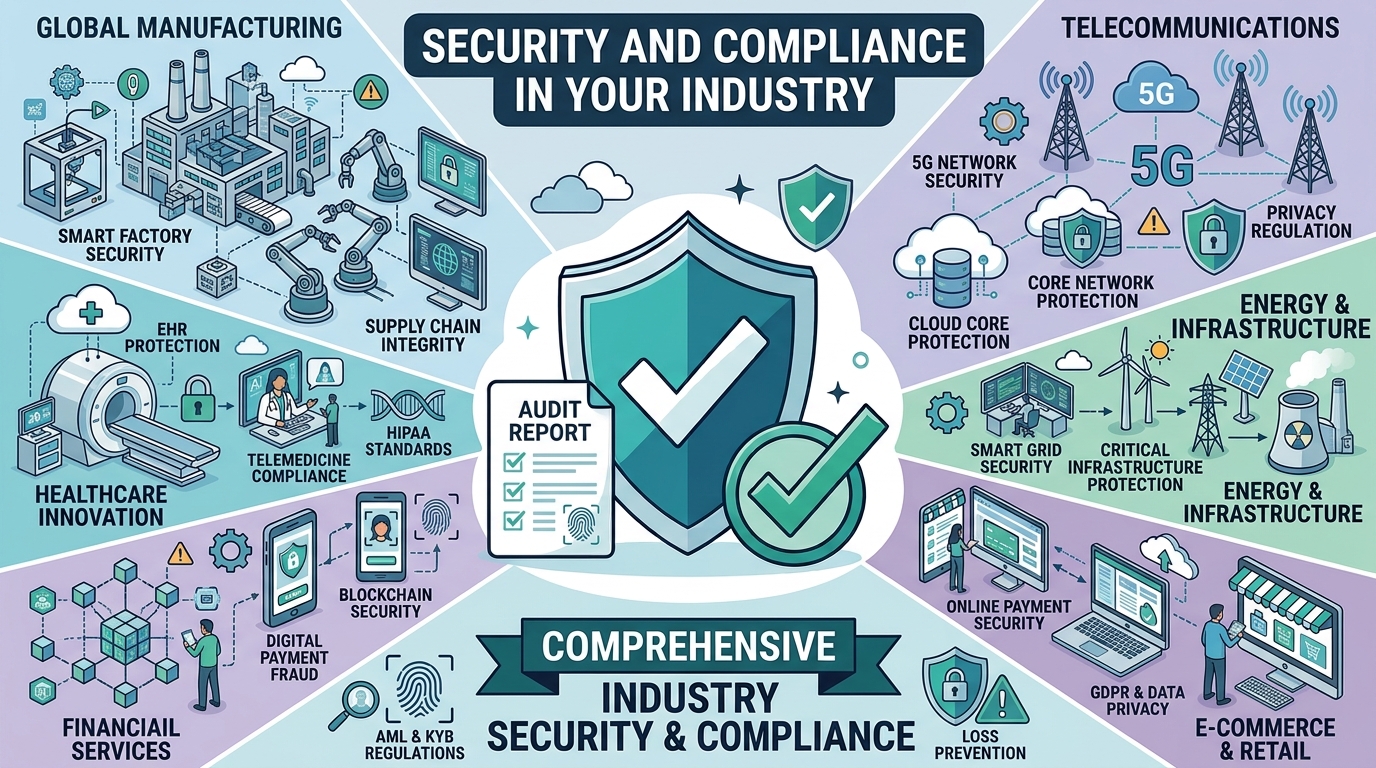
Besides these, the regulatory frameworks also ask organizations to emphasize regular training and awareness programs so that employees could bear responsibilities regarding compliance and security standards consistently. Access controls, encryption, and frequent audits should be embedded in day-to-day functioning so that sensitive data confidentiality, integrity, and availability are consented to. With active monitoring and assessment of the occurrence of potential risks, a company is in a better position to rapidly adjust to the constantly changing threats and updates in regulations that further secure their information assets.
Besides, it is very important for companies to establish an incident response plan that outlines comprehensive ways in which data breaches or security incidents are handled when they happen. This proactive approach not only helps in meeting compliance needs but also helps in gaining much-needed trust with your clients and stakeholders by showing just how serious your commitment is toward protecting their information.
In fact, the regulations pertaining to the protection of data will be continuously updated, and businesses must familiarize themselves with those updates for them to remain compliant with the legislative change. A culture of data security and compliance basically helps an organization to protect sensitive information against misappropriation and minimize risk through accountability in the rapidly digitizing world.